Tanner Krolle in Paris
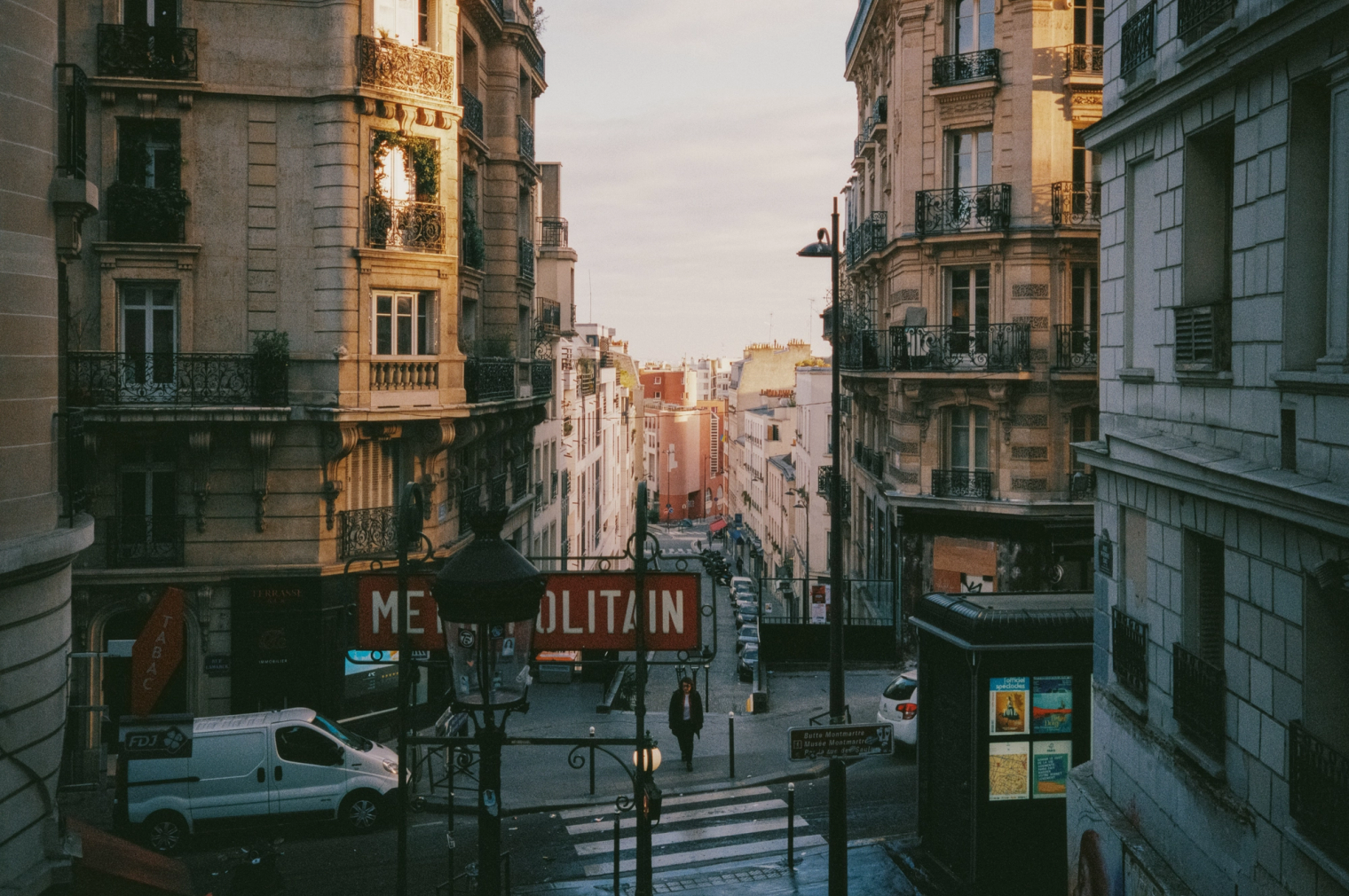
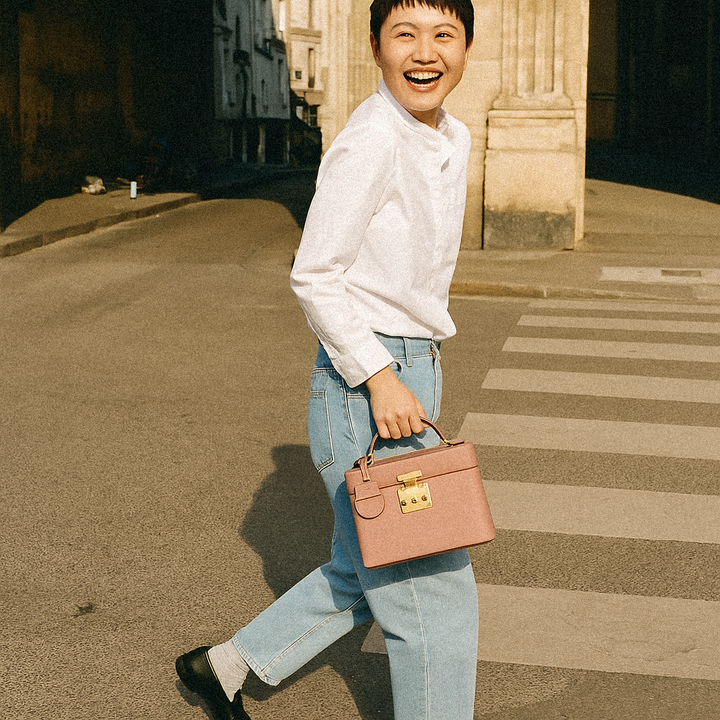
In Paris, Tanner Krolle moves through limestone streets, quiet courtyards, and late-afternoon light with an ease that feels entirely at home.
- By Tanner Krolle
- Travel
- March 16th, 2026
There is something in Paris that rewards a slower pace: the turn into a quiet side street, the pause at a terrace before dinner, the decision to carry only what matters.
In that setting, Tanner Krolle feels less like an accessory and more like a companion. The shapes are clean, the materials hold their own in changing light, and the overall impression is one of confidence without insistence. For bespoke enquiries, write to our atelier team.
There’s something timeless about leaving the city behind.
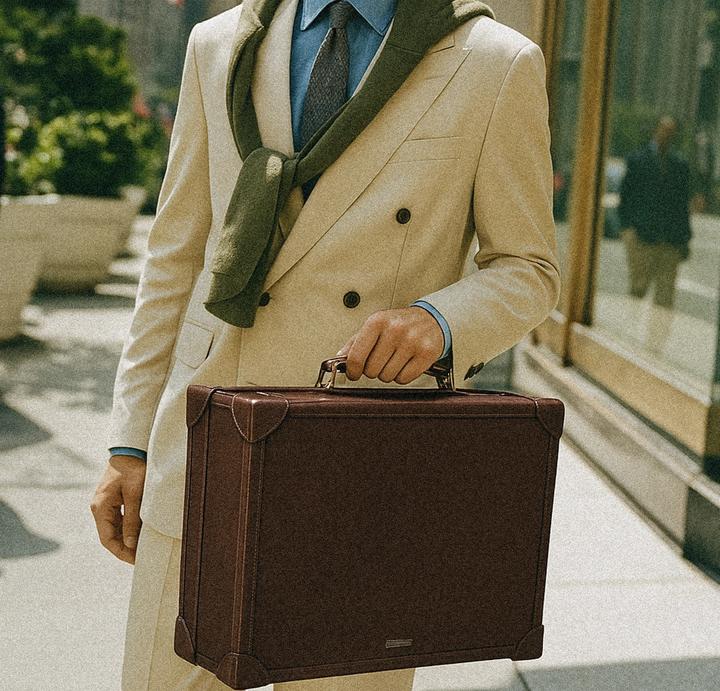
In Mayfair, everything is deliberate. The corners are sharp, the tailoring precise, the days mapped by meetings and perfectly timed coffees. Leather here feels different — firm, polished, just-so. It carries the weight of purpose. At Tanner Krolle, we understand this world. We’ve shaped it, stitched it, softened it over generations.
But then, a different light calls.
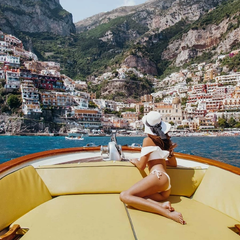
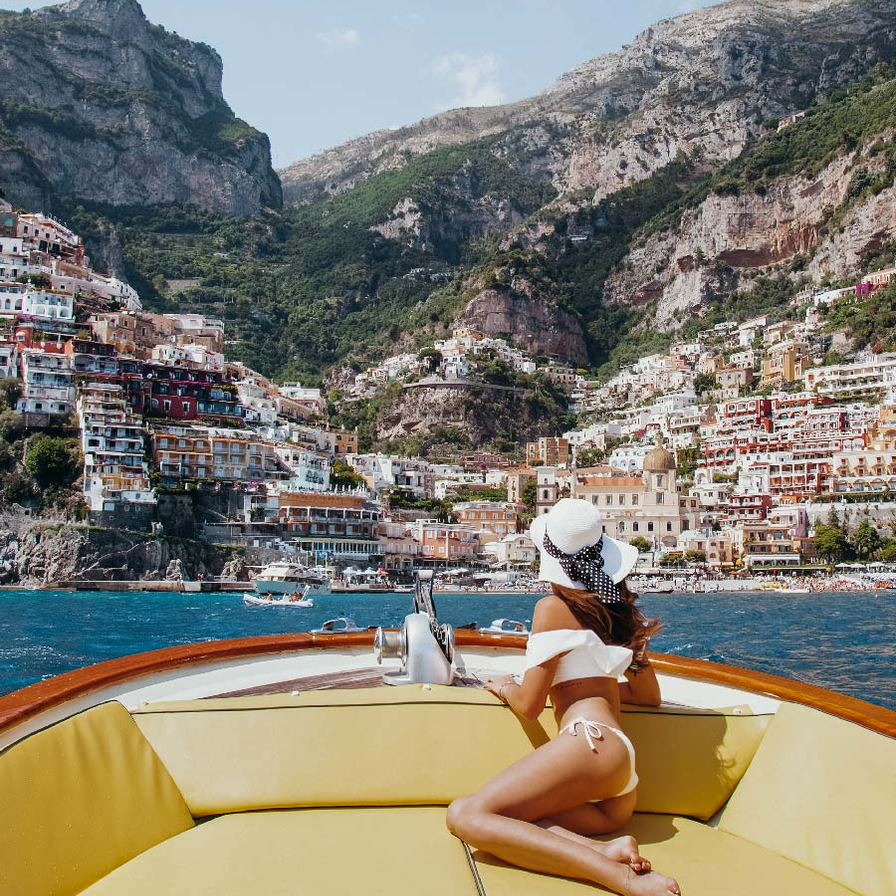
Positano isn’t hurried. It hums with a rhythm you fall into rather than command. Sunlight drapes over crumbling facades; terracotta turns pink at dusk. The steps are endless, the air salt-laced, and everything seems designed to make you let go — of schedules, of excess, of expectations.
And yet, your bag remains.
Not by accident, but by design. A well-made holdall doesn’t belong to any one place — it moves between them. In Positano, our pieces take on a new patina. Handles soften under sun-warmed hands. Edges wear in, not out. Zips catch grains of sand and stories you didn’t plan for. The craftsmanship shows differently here: not in the perfection, but in how beautifully it adapts.
Heading Two
This paragraph sits directly under the H2 so you can judge the article’s large section-heading spacing, measure, and contrast against the surrounding body copy.
Heading Three
This paragraph follows the H3 to show the next step down in hierarchy. It should feel distinct from the H2 without becoming visually disconnected from the editorial rhythm.
Heading Four
This paragraph sits below the H4, which in this system behaves more like a compact section label. It is useful for checking uppercase treatment and letter spacing in context.
Heading Five
This paragraph follows the H5 so you can compare its quieter scale against the larger heading styles above while still seeing it in direct editorial use.
Heading Six
This paragraph follows the H6. The page title remains the H1, and this final example shows the smallest heading treatment the article body supports in Sanity.
The pleasure lies in proportion. A narrow street opens into a wider square. A tailored coat meets polished leather. A carefully packed day becomes a lighter one simply because everything has its place.
Where To Linger
A city reveals itself in fragments: the first coffee standing at the bar, the hush of a gallery at opening hour, the long view from a balcony just before the sky changes colour. It is that sense of sequence that makes Paris such a natural setting for a journal story.
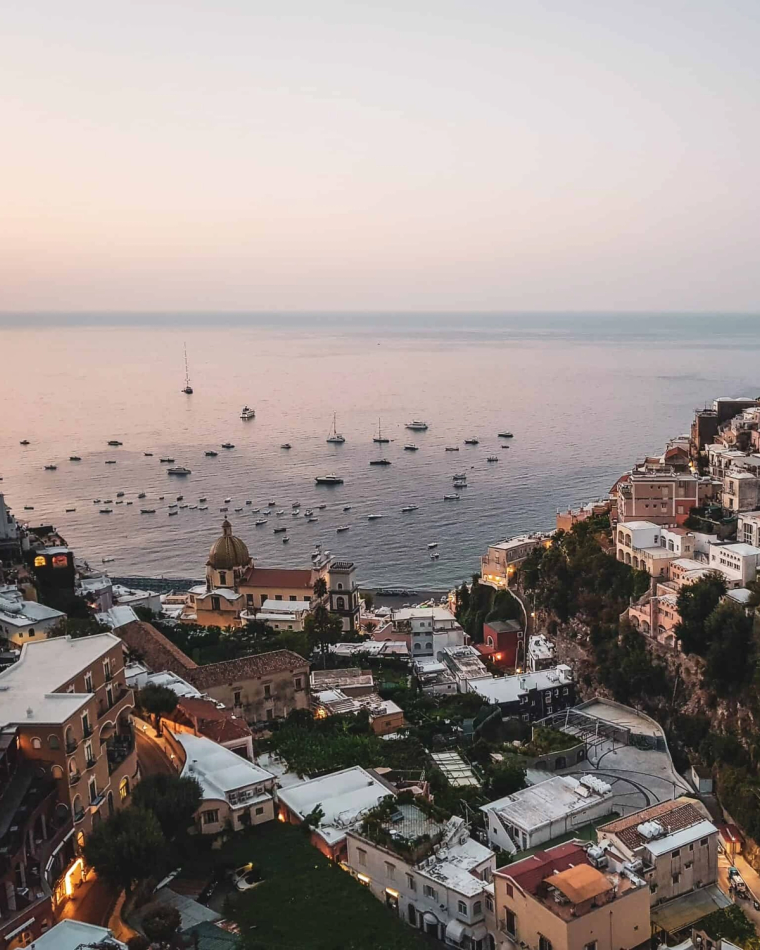

The article should narrow again after an image like this. The rhythm of the page works best when generous pictures are followed by compact prose, allowing the typography to reset the pace before the next visual interruption.
That wider moment gives the page some air. It keeps the journal from feeling too uniform and lets the more intimate sections arrive with greater clarity afterward.
Watch Film
Under the Bougainvillea: A Table with a View
Where lunch lingers, light dances, and every frame feels like a memory.
You carry less. A few linen shirts, a bottle of something local, the novel you’ve started three times. But it feels like more. What you bring matters — not for how much, but for how well it’s made. Because when the view is this good, you don’t want your luggage shouting for attention. You want it to belong.
From Mayfair to Positano isn’t just a change of location. It’s a shift in mindset. It’s the moment when luxury stops being about what you have, and becomes about how you live.

You carry less. A few linen shirts, a bottle of something local, the novel you’ve started three times. But it feels like more. What you bring matters — not for how much, but for how well it’s made. Because when the view is this good, you don’t want your luggage shouting for attention. You want it to belong.
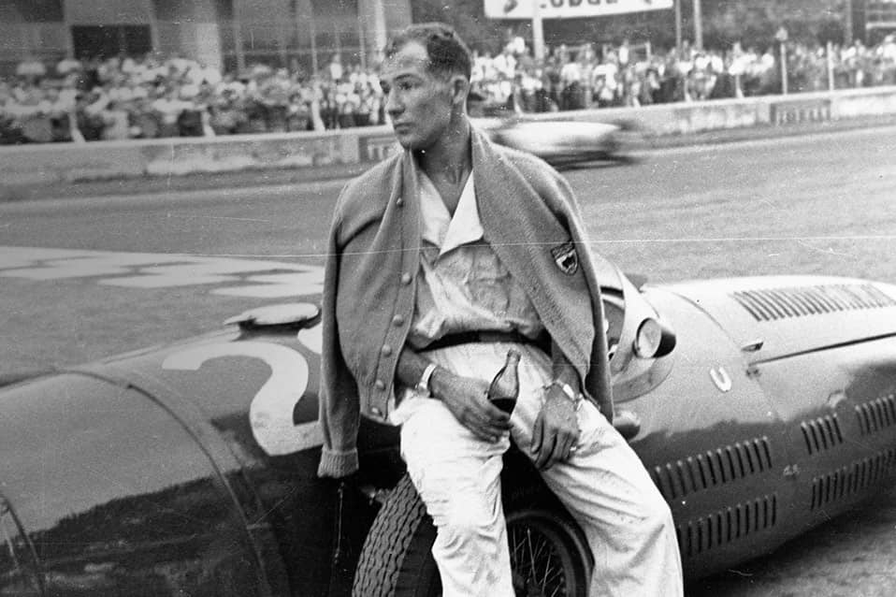
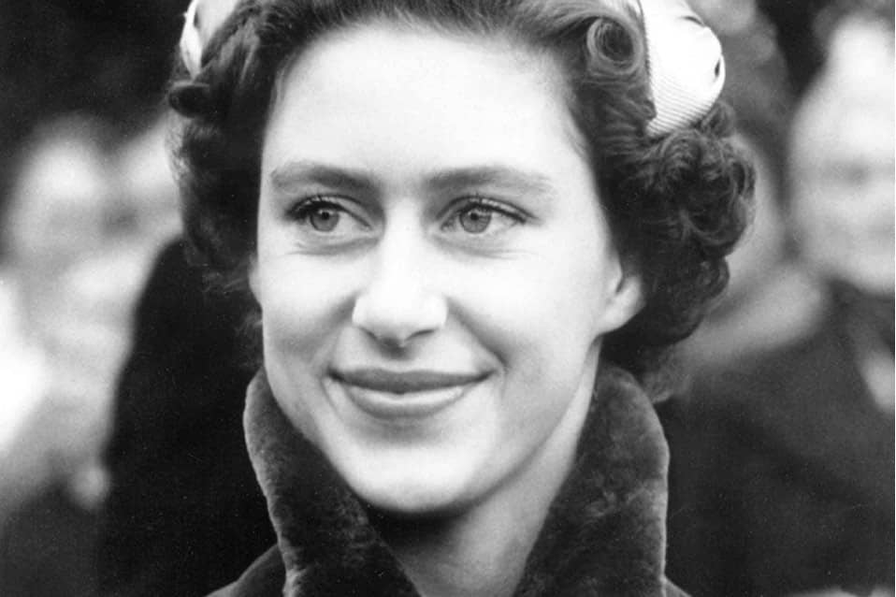
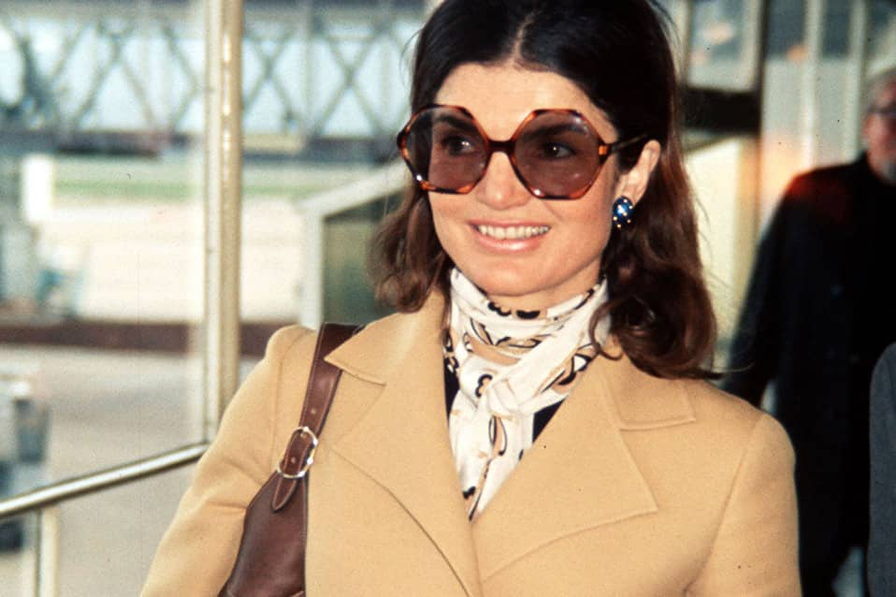
From Mayfair to Positano isn’t just a change of location. It’s a shift in mindset. It’s the moment when luxury stops being about what you have, and becomes about how you live.
“In a world that moves fast, there is quiet power in choosing to move with intention.”
That is where this journal feels closest to the reference: not in copying a layout literally, but in letting each block breathe. Prose, image, pause, image, quote, and then a final return to prose.
Editorial Notes
- Narrow text blocks keep the page elegant on both mobile and desktop.
- Wide image groups add contrast without requiring new layout code.
- A single strong quotation works better here than multiple test headings.
The final gallery remains useful as a carousel check, but the surrounding copy now treats it as part of the story rather than as a component demo.
You carry less. A few linen shirts, a bottle of something local, the novel you’ve started three times. But it feels like more. What you bring matters — not for how much, but for how well it’s made. Because when the view is this good, you don’t want your luggage shouting for attention. You want it to belong.
From Mayfair to Positano isn’t just a change of location. It’s a shift in mindset. It’s the moment when luxury stops being about what you have, and becomes about how you live.
You carry less. A few linen shirts, a bottle of something local, the novel you’ve started three times. But it feels like more. What you bring matters — not for how much, but for how well it’s made. Because when the view is this good, you don’t want your luggage shouting for attention. You want it to belong.
From Mayfair to Positano isn’t just a change of location. It’s a shift in mindset. It’s the moment when luxury stops being about what you have, and becomes about how you live.
From Mayfair to Positano isn’t just a change of location. It’s a shift in mindset. It’s the moment when luxury stops being about what you have, and becomes about how you live.